
Loading...
Serving Glenview, IL and surrounding areas. (224) 529-2097
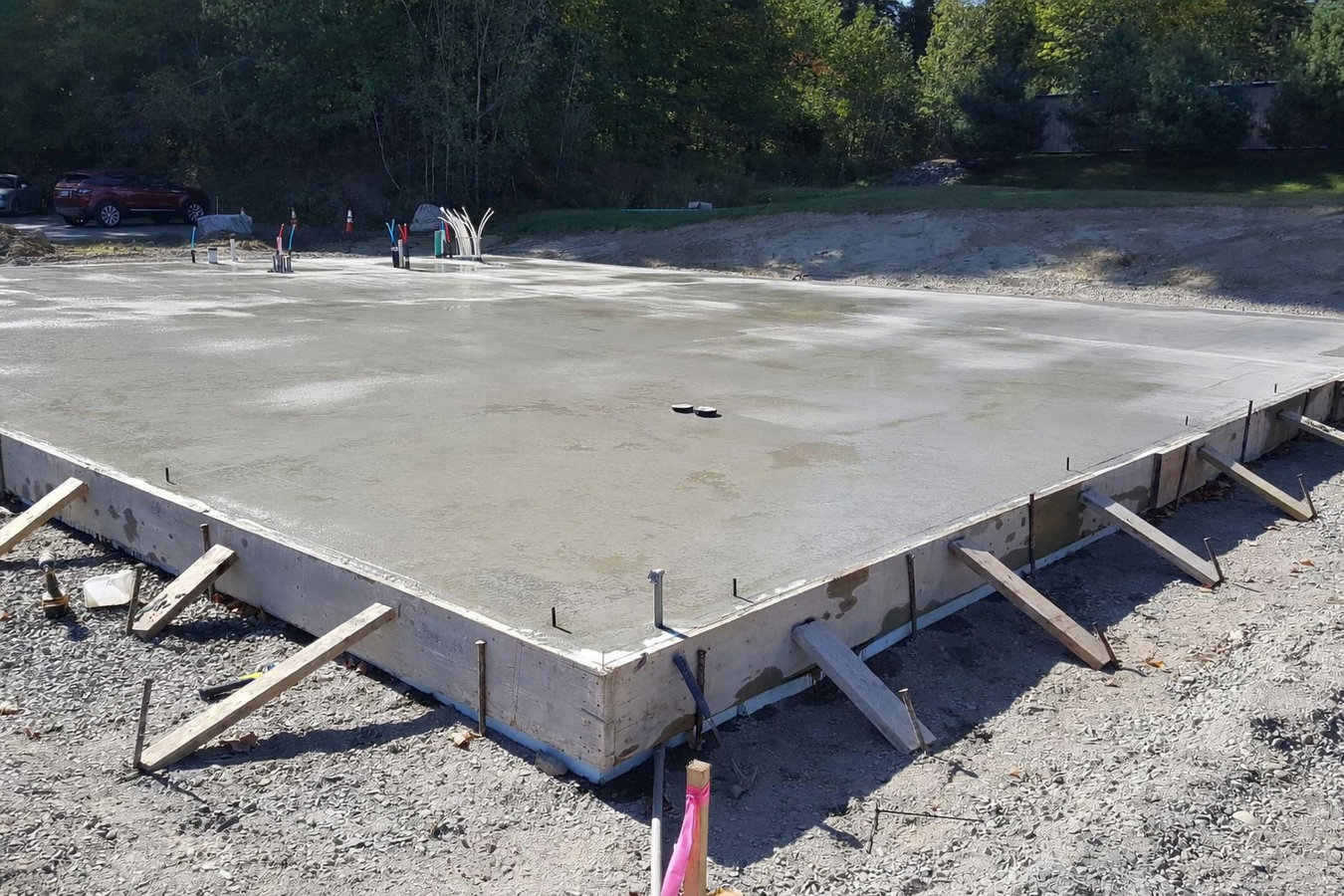
A slab that cracks in two winters was not built correctly from the start. We pour properly reinforced concrete slabs with compacted bases and moisture barriers designed for Glenview's soil and climate.
Slab foundation building in Glenview means excavating to depth, compacting the subgrade, laying a gravel drainage layer, installing a plastic moisture barrier and rigid foam insulation, setting steel reinforcement, and pouring a 4-to-6-inch concrete slab - most residential garage or addition slabs are completed in three to five days of active work spread over one to two weeks.
If you are planning a new garage, a home addition, or replacing a failing original slab, the quality of what goes under the concrete matters as much as the concrete itself. Glenview's glacially deposited clay soil expands and contracts with moisture changes through every season, and a slab without proper base preparation will show cracks and shifting within a few years. Many of Glenview's homes were built in the 1950s through 1970s, and aging slabs from that era often show exactly this kind of failure.
If your project also requires a full foundation installation for a new addition or structure, we handle that as well - and both can be scoped together in a single estimate.
Small hairline cracks in concrete are normal, but if you can fit a pencil tip into a crack, or if one section of the slab sits noticeably higher or lower than the section next to it, the slab has moved. In Glenview, this kind of movement is often caused by the clay soil underneath swelling and shrinking through wet and dry seasons. A slab in this condition is unlikely to improve on its own.
If standing water collects on your garage floor or around a concrete pad after a storm, the slab may have settled unevenly or the drainage was never set up correctly. Glenview gets about 36 inches of precipitation per year, including significant snowmelt in late winter. Water that has nowhere to go will eventually work its way under the slab and accelerate the settling and cracking that follows.
A surface that is actively losing material - not just stained but actually breaking apart - has reached the end of its useful life. In older Glenview homes, garage slabs from the 1960s and 1970s were often poured thinner than current standards, and decades of road salt tracked in on tires accelerates surface breakdown. Patching a slab in this condition is usually a short-term fix; replacement gives you a structurally sound floor.
If a door that used to swing freely now drags on the floor, or a window that opened easily now sticks, the slab underneath may have shifted enough to pull the framing out of square. This is a more serious signal because the movement has already affected the structure above. Getting a concrete contractor and a general contractor to assess it together is the right first step.
We build new concrete slabs for garages, home additions, utility spaces, and outbuildings throughout Glenview and the surrounding area. Every project includes full site preparation - excavating to the correct depth, removing any old concrete, compacting the subgrade, laying gravel for drainage, installing a plastic moisture barrier, and adding the rigid foam insulation layer required by Illinois energy standards for heated spaces. We set a steel reinforcement grid inside the forms before the pour, then cut control joints into the fresh surface to manage where any future cracking occurs in a straight, predictable line rather than randomly across your floor.
When you need more than just a flat slab, we handle concrete footings as part of the same project - the thickened perimeter and interior bearing points that carry the actual structural load of your walls and roof. Getting these footings right is what separates a slab that holds up over decades from one that shifts and settles. We pull all required Village of Glenview permits and coordinate inspections before and after the pour.
Suits homeowners building a new detached or attached garage where no slab exists, or replacing a failing original.
Suits homeowners adding a room, sunroom, shed, or accessory structure that needs a proper concrete floor before framing can begin.
Suits homeowners whose existing slab has cracked, shifted, or deteriorated beyond what patching can reasonably address.
Suits homeowners who need a load-bearing slab foundation for a structure with walls - includes thickened edges and interior bearing points.
Glenview sits in USDA Hardiness Zone 5b and sees ground frost penetrating 30 to 40 inches deep in a hard winter. That depth is the main reason base preparation here cannot be cut short - a gravel layer that works fine in a warmer climate is not sufficient when Glenview's ground heaves and contracts by several inches each year. The clay and silty loam soils that cover much of the North Shore hold moisture rather than draining it, which puts constant upward pressure on any slab poured without a proper drainage layer underneath. Illinois energy standards also require rigid foam insulation under slabs in heated spaces, adding a step that some out-of-area contractors may not automatically include.
We work throughout Glenview and the broader North Shore corridor. In Arlington Heights, where similar glacial clay soils and freeze-thaw conditions apply, and in Des Plaines, where older postwar housing stock creates the same demand for slab replacement, we bring the same preparation standards and permit knowledge we use in Glenview. Every project we quote includes permit fees, soil prep, gravel, moisture barrier, insulation, steel, and cleanup - nothing hidden.
We schedule a site visit - usually within a few business days - to measure the area, look at the ground conditions, and ask about your plans. You will receive a written, itemized quote that covers everything: demo if needed, gravel, moisture barrier, insulation, steel, permit fees, and cleanup. We reply to all inquiries within one business day.
Once you approve the quote, we apply for the Village of Glenview building permit on your behalf. Permit processing typically takes one to two weeks. We handle the paperwork and keep you updated - you will not need to make a single call to the building department.
We excavate, compact the subgrade, lay gravel, install the moisture barrier and insulation, build the wood forms, and set the steel reinforcement grid. A Village inspector typically visits before the pour to verify the prep work - this step protects you and is part of the permitted process.
The concrete pour happens in a single day. We finish the surface, cut control joints, and protect the slab while it cures. Plan to stay off the slab for 24 to 48 hours and keep vehicles off for at least a week. In cooler Glenview weather, we cover the slab with insulating blankets to protect the cure.
We will walk your site, explain exactly what your property needs, and give you a written estimate with no pressure and no obligation.
(224) 529-2097Glenview's glacial clay soil is one of the main reasons slabs fail here, and we account for it on every job - with compacted subgrade, proper gravel depth, and moisture barrier as standard, not optional. A contractor who skips these steps on Glenview soil is setting you up for a cracked floor within a few winters.
We pull the required building permit through the Village of Glenview's Community Development Department and coordinate the pre-pour inspection on your behalf. A permitted and inspected slab protects your investment and keeps your home's records clean - important when it comes time to sell. Village of Glenview Community Development
Every slab we pour includes a steel reinforcement grid and saw-cut control joints. The steel holds any cracks tightly closed so they do not spread or shift. The control joints guide future minor cracking into straight, planned lines rather than random fractures across your floor. The American Concrete Institute sets the standards we follow for residential slab reinforcement.
Vague estimates are one of the biggest sources of anxiety when hiring a contractor. We give you a written quote that spells out exactly what is included - demolition of the old slab if needed, gravel, moisture barrier, steel, permit fees, insulation, and cleanup - so there are no surprises when the invoice arrives.
Every slab we build is designed for Glenview's specific soil and climate conditions - not a generic approach copied from a warmer or drier part of the country. When you call us, you get a contractor who has seen what happens to improperly built slabs in this area and knows exactly how to prevent it.
Full foundation installation for new construction and additions, including basement and crawl space foundations built to Glenview's frost-depth requirements.
Learn MorePoured concrete footings sized and placed to bear the load of your structure and stay below the freeze line in northern Illinois winters.
Learn MoreGlenview's concrete season runs roughly May through September - spring and early summer slots book fast, so reach out now to lock in your project start date.