
Loading...
Serving Glenview, IL and surrounding areas. (224) 529-2097
A cracked, heaving walkway is a hazard in any season - but in a Glenview winter it is genuinely dangerous. We build concrete sidewalks with proper base prep and a broom finish that gives your family grip year-round.
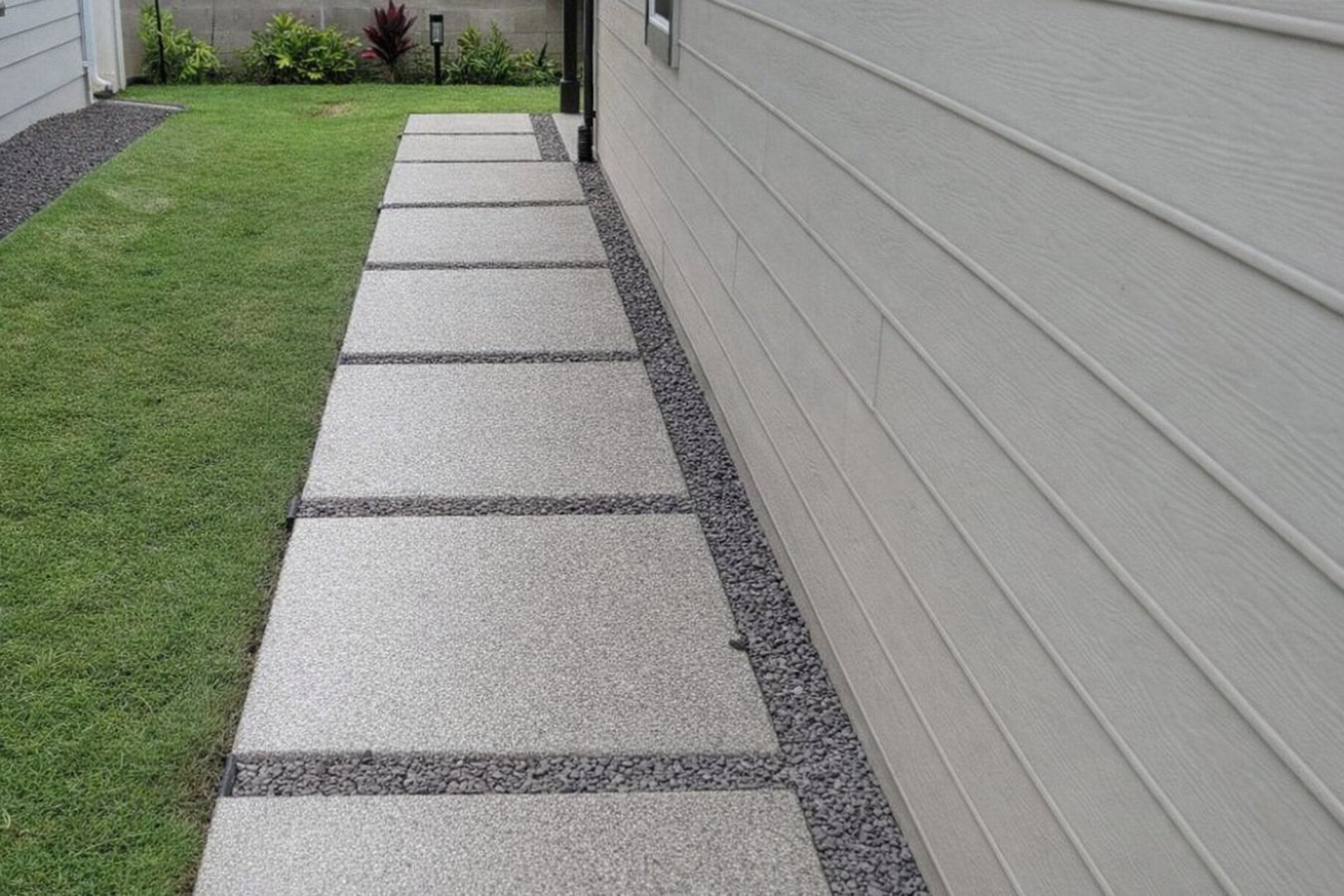
Concrete sidewalk building in Glenview means removing the old surface, preparing a compacted base underneath, pouring four to six inches of fresh concrete, and finishing with a broom texture for grip - most residential walkway projects take one to three days, with the path ready for foot traffic within 24 to 48 hours after the pour.
A lot of Glenview sidewalks were installed in the 1950s through 1970s and are now well past their expected lifespan. If yours is heaving, flaking, or collecting puddles after rain, patching usually buys only a season or two before the same problems come back. Many homeowners who call us about a sidewalk also ask about a new concrete driveway at the same time, since both surfaces share the same lifespan and the same soil and climate conditions.
The Portland Cement Association recommends broom-finished concrete for pedestrian surfaces in cold climates because it provides meaningful grip even when wet or lightly iced - something a smooth finish cannot do. We apply that standard on every walkway we build in Glenview.
A bump or a drop you feel when walking across the sidewalk means the ground underneath has shifted. In Glenview, clay soil expands and contracts with moisture and temperature changes over many winters. A raised edge of even half an inch is enough to create a tripping hazard, and the village may require you to address it.
A top layer peeling away in thin chips - called spalling - means the concrete has been damaged by years of freeze-thaw cycles and de-icing salt. This is extremely common in Glenview and the north suburbs. Once it starts, it spreads quickly. Patching can buy a little time, but a badly spalled sidewalk usually needs full replacement.
Small hairline cracks along the control joints are normal. But wide cracks - especially ones running diagonally or with one side higher than the other - mean the slab has moved significantly and is no longer structurally sound. These are the cracks that catch water, freeze, and get worse every winter.
A properly built sidewalk slopes slightly so rainwater runs off rather than sitting on the surface. If puddles form on your walkway after rain - or water drains toward your foundation - the slab may have settled unevenly or was never graded correctly. Standing water accelerates freeze-thaw damage and creates a slip hazard in winter.
We build new concrete sidewalks and replace existing ones throughout Glenview and the surrounding area - front walkways, side-yard paths, back-of-house service walks, and parkway sidewalk sections near the street. Every project includes demolition and haul-away of the old material, proper base compaction, and a broom-textured finish for grip. We also install control joints - evenly spaced lines cut into the surface that give the concrete a planned place to move so it does not crack randomly across the slab. If you are also replacing a garage floor or adding a new pad near the garage, we can build both in the same scope and keep the work efficient.
We handle the permit process through the Village of Glenview from application to inspection sign-off. If the sidewalk touches the public right-of-way - the strip between the curb and your property line - we know the village standards for that zone and build to them. The American Concrete Institute guidelines for residential flatwork inform how we specify concrete thickness and mix design for each project based on its use and the loads it will carry.
Best for homeowners whose original front path is heaving, cracking, or past its useful life and needs a safe, clean replacement.
A good fit for adding a practical walking surface from the driveway to a side entrance, gate, or back yard.
Suited to homeowners dealing with a damaged sidewalk panel in the public right-of-way that the village requires to be repaired or replaced.
Ideal for homes where most or all of the original sidewalk and connecting paths are overdue for replacement in one coordinated project.
Glenview sits in USDA Hardiness Zone 5b with an average of roughly 130 freeze-thaw cycles per year. Each cycle pushes moisture into small cracks, freezes it, and expands the crack a little further. Over several winters, that process turns minor surface wear into serious structural damage. This is why sidewalks here tend to deteriorate faster than in warmer climates, and why the contractor's attention to base preparation and joint spacing matters far more than it would in a state that does not experience this kind of winter. Homeowners in Des Plaines face the same conditions, and we build to the same standards across the whole service area.
Much of Glenview sits on clay-heavy soil that swells when wet and shrinks when dry. That movement is one of the most common reasons sidewalks crack, heave, and sink over time - and it is why we always compact the base and sometimes add a gravel drainage layer before the concrete ever gets poured. A large portion of Glenview's residential neighborhoods were developed in the 1950s through 1970s, and many of those original sidewalks are now 50 or more years old - well past the concrete's expected lifespan under northern Illinois conditions. If your home was built before 1980, there is a good chance the sidewalk has reached the end of its useful life even if it does not look obviously broken. Homeowners in Arlington Heights deal with the same aging housing stock, and we serve that area as well.
We schedule a time to walk the site with you - looking at the existing sidewalk, the slope, access for equipment, and whether tree roots or underground utilities are nearby. You receive a written quote that spells out demolition, haul-away, the new pour, and permit fees. We reply within one business day.
We apply for the permit through the Village of Glenview before work begins. Processing typically takes a few business days to a couple of weeks. Once approved, we put you on the schedule - in busy spring and summer months, expect a wait of one to three weeks before the crew arrives.
On work day, the crew breaks up and removes the old concrete first - the noisiest part of the job, usually a few hours. After haul-away, they grade and compact the soil and add a gravel base layer if needed. This prep determines how long your new sidewalk will last, so we never rush it.
The crew sets forms, pours and screeds the concrete, cuts control joints, and applies a broom finish for grip. Within 24 to 48 hours you can walk on it. The village inspector signs off on the permit, which we coordinate on your behalf. The concrete continues hardening for about a month after that.
We reply within one business day. No obligation - just a straight answer about what your project will cost and when we can fit it into the schedule.
(224) 529-2097Glenview's clay soils shift with moisture. We compact the sub-base and add gravel drainage where needed on every pour. This step is what keeps your sidewalk from heaving or sinking after a few wet winters - and it is the step that less careful contractors rush or skip to lower their bid.
We texture every sidewalk with a broom finish before the concrete sets. This gives the surface grip when it is wet or lightly iced - something a smooth troweled finish cannot do. In a Glenview winter, that difference matters when you are carrying groceries or walking with children.
We pull the permit through the Village of Glenview, know the standards for work that touches the public right-of-way, and coordinate the inspection sign-off. You do not manage any of that. Before any digging, we also call 811 as required by Illinois law to have underground utilities marked - protecting your home from accidental damage.
Your written estimate spells out demolition and haul-away, the concrete pour, and permit fees as separate line items. No single lump-sum number that hides what you are actually paying for. If the price changes after the site visit, we explain exactly why before any work starts.
These details - base prep, finish texture, permits, transparent pricing - are not extras. They are what separates a sidewalk that holds up through 30 Glenview winters from one that needs replacing in 10. We do not cut corners on any of them.
Replace or upgrade your garage floor with a properly poured concrete slab built for vehicle loads.
Learn MoreBuild a new concrete driveway that handles freeze-thaw cycles and holds up for decades.
Learn MoreSpring slots fill fast and the concrete work window in Glenview is shorter than most homeowners expect - reach out now to lock in your spot on the schedule.