
Loading...
Serving Glenview, IL and surrounding areas. (224) 529-2097
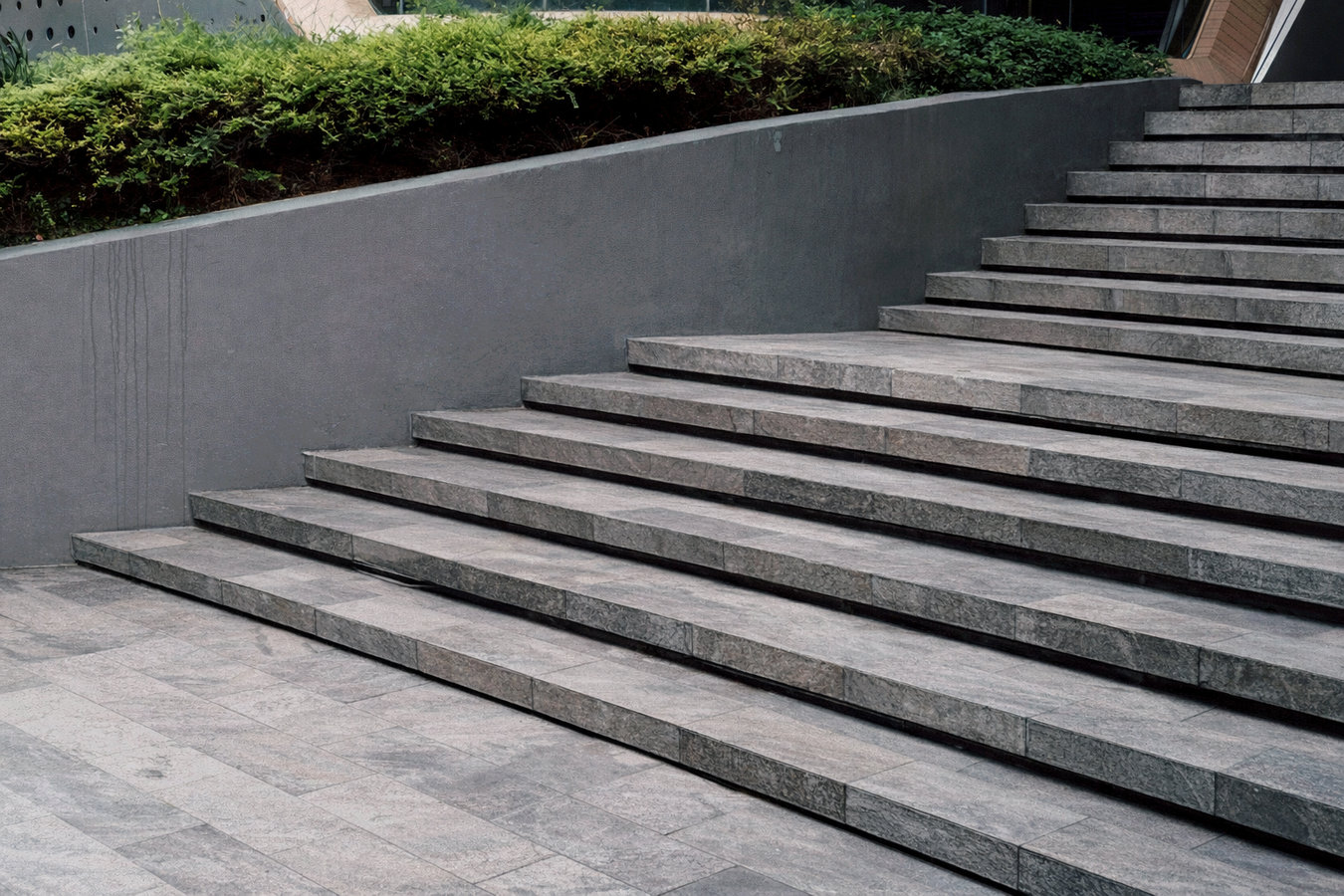
Cracked, tilting, or crumbling steps are a safety hazard - especially when Glenview's first ice storm hits. We replace concrete steps with poured-in-place construction built to handle Illinois winters without cracking apart.
Concrete steps construction in Glenview involves demolishing and removing old steps, compacting a gravel base, forming the new steps to match your entry height, pouring freeze-thaw-resistant concrete, and finishing the surface with a broom texture for winter traction - most standard front or back entry replacements take one to two days of active work.
If your steps are cracking every spring, rocking underfoot, or showing a gap where they meet the house, those problems will not improve on their own. Glenview's combination of hard winters and clay soil puts constant pressure on steps that were not built with a proper base. The freeze-thaw cycle alone can widen a small crack into a structural failure over just a few seasons.
Steps replacement pairs well with other exterior work - if you are also dealing with an eroded slope or raised ground near your entry, our concrete retaining walls service can address the grade issue at the same time.
If you noticed a crack in your steps last fall and it looks noticeably larger now that spring has arrived, the freeze-thaw cycle is actively breaking down the concrete. Glenview winters are hard on steps, and a crack that is widening will not stop on its own. Once water can get deep into the structure, the damage accelerates with each passing winter.
If any step shifts even slightly when you step on it, the base underneath has failed. This is a safety issue, not just a cosmetic one. In Glenview's clay-heavy soil, this kind of settling is common in steps that were not built with a proper gravel base - and it tends to get worse, not better, over time.
When the top layer of concrete starts to flake off in thin sheets - called spalling - it usually means the surface was exposed to road salt or de-icers over many winters. This is extremely common in Glenview, where homeowners reach for ice melt products every season. Once spalling starts, the surface continues to deteriorate and patching products will not meaningfully fix it.
If you can see daylight or feel a gap where your steps meet the house, the steps have pulled away from the foundation. This gap lets water run directly against your foundation wall - a problem well beyond the steps themselves. It is one of the clearest signs that replacement, not patching, is needed.
We handle poured-in-place concrete step replacement and new construction for front entries, back entries, and side access points. Every project starts with demolishing and removing the old steps, digging down to remove any unstable soil, and compacting a gravel base before any concrete is poured. Skipping the base preparation is the most common shortcut that leads to steps sinking and cracking within a few years - we do not skip it. If your project also needs a connected landing platform or a handrail, we handle those at the same time.
We use a broom finish on all steps by default - the slightly rough texture gives your shoes traction when the steps are wet or icy, which matters in Glenview winters. For homeowners who want a more finished look, we can discuss decorative options, though we always prioritize slip resistance in the final specification. If you are also considering a new slab foundation for an addition or outbuilding, steps can be integrated into the same project timeline.
Suits homeowners with cracking, tilting, or spalling steps that have passed the point where repair is a useful option.
Suits homeowners adding a new entry point to their home - basement walkout, rear addition, or garage conversion.
Suits homeowners who need a wider flat area at the top or bottom of the steps for safety or accessibility.
Suits homeowners who need a rail for safety or code compliance - especially relevant for entries with four or more steps.
A large share of Glenview's residential neighborhoods - particularly in areas like East Glenview and near the historic downtown - were built in the 1950s through 1970s. Steps from that era were often poured with thinner concrete and less attention to drainage and base preparation than modern work. If your home was built before 1980, there is a good chance your steps have never been replaced, and what looks like minor cracking may be a sign of deeper structural wear beneath the surface. Glenview averages around 38 inches of snow per year and regularly sees temperatures drop well below freezing from November through March - that climate is relentless on original steps from six decades ago.
We work throughout Glenview and the surrounding North Shore area. In Des Plaines, where the same postwar housing stock and clay soil conditions apply, and in Evanston, where older homes face similar freeze-thaw cycles near the lake, the same installation standards we use in Glenview carry through. Clay soil throughout the North Shore expands when wet and contracts when dry, and steps that were not built on a properly compacted gravel base will shift and crack as that soil moves under them year after year.
Reach out by phone or through our contact form. Tell us how many steps you have, whether there is an existing landing, and what you are seeing - cracking, tilting, a gap at the house, or surface damage. We reply within one business day and will ask a few questions before scheduling an in-person visit.
We visit your property to assess the condition of your existing steps and what is underneath them - because the condition of the base affects the scope of work. You receive a written estimate that breaks out demolition, materials, and labor separately so there are no surprises on the final invoice.
For a full step replacement in Glenview, we apply for the required Village building permit before any work begins. This typically takes a few business days to a week. We handle this for you - you should not need to navigate the permit office yourself - and we coordinate the inspection at the end.
Demolition is the loudest part - a few hours of breaking up old concrete. Once the old material is out, we compact a gravel base before forming and pouring. Stay off the steps for at least 48 hours after the pour. The Village inspector signs off on the work, and we walk the finished project with you before we leave.
We reply within one business day. Call now or send your project details and we will get back to you with next steps - no obligation.
(224) 529-2097We dig down, remove unstable soil, and compact a gravel base on every job before any concrete goes in. In Glenview's clay-heavy soil, skipping this step is the number one reason steps sink and crack within a few years. This is not an optional upgrade - it is how we do every project, because steps built on a poor base do not last.
We use air-entrained concrete mixes that are specifically formulated for the freeze-thaw conditions Glenview sees every winter. According to the Portland Cement Association, air-entrained concrete is the standard for cold-climate exterior work - it gives the concrete microscopic pores that relieve the pressure when water freezes inside the slab.
We pull the required Village of Glenview building permit and coordinate the inspection for every full step replacement. That means a Village inspector signs off on the work - giving you an independent check that the job meets local standards and protecting your home's resale value. We handle the paperwork so you do not have to.
Every set of steps we pour gets a broom finish - a slightly rough texture that gives your shoes something to grip when the surface is wet or icy. Smooth-finished steps look polished but become dangerously slick in Glenview winters. Safe footing every time you leave the house is not a detail we compromise on.
What separates steps that last from steps that fail in a few seasons comes down to three things: a proper base, the right concrete mix, and a finish that handles our climate. We cover all three on every job we do in Glenview.
Pour a concrete slab for a new garage, addition, or outbuilding - often scheduled alongside step and entry work.
Learn MoreStabilize a sloped or eroding grade near your entry before or alongside your steps replacement.
Learn MoreFall and spring project slots fill fast - reach out now so your entry is safe and solid before the next ice storm.