
Loading...
Serving Glenview, IL and surrounding areas. (224) 529-2097
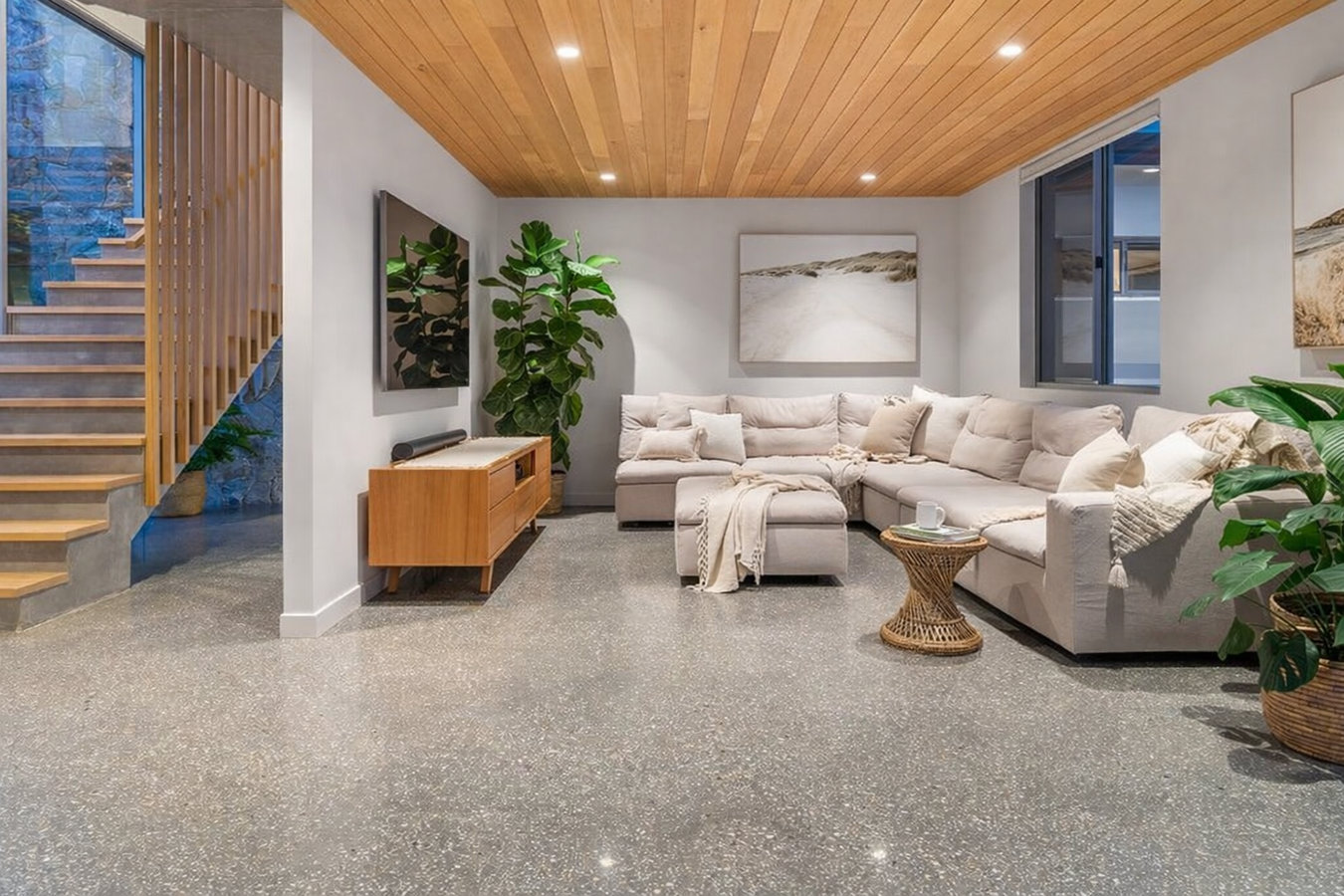
Cracked, flaking, or uneven floors in your basement or garage need more than a patch. We pour and seal concrete floors that hold up through Glenview winters and Illinois road salt.
Cracked, flaking, or uneven floors in your basement or garage need more than a patch. We pour and seal concrete floors that hold up through Glenview winters and Illinois road salt.
Concrete floor installation in Glenview covers the preparation, pouring, finishing, and sealing of basement and garage slabs, most residential pours are completed in one day of active work with the floor walkable in 24 to 48 hours and ready for vehicles in seven to ten days.
A properly installed and sealed concrete floor in Glenview can last 30 to 50 years. The key word is properly - Glenview has a large number of homes built between the 1950s and 1980s whose original thin basement slabs are now at the end of their useful life, often showing cracks, efflorescence, or uneven settling from decades of freeze-thaw stress and shifting clay soil underneath.
If you are also thinking about the attached garage at the same time, our garage floor concrete service covers the specific prep and salt-sealing process that attached garage floors need. For outdoor surfaces that connect to your floor space, we also build concrete pool decks using the same durable, freeze-thaw-rated mix standards.
Small hairline cracks are common in older concrete and do not always mean immediate trouble, but cracks wider than a quarter-inch - or cracks that have grown over time - suggest the slab is shifting or deteriorating. In Glenview's older housing stock, this is especially common in homes built before 1980, where thinner original slabs have been through decades of freeze-thaw stress.
That chalky white residue on your basement floor is called efflorescence - it means water is moving through the concrete and depositing minerals on the surface. In Glenview's clay-heavy soil environment, ground moisture is a persistent issue. A floor showing these signs is already compromised, and left alone this moisture can eventually undermine the slab from below.
If your garage or basement floor is shedding small chips or has developed a rough, pitted texture, the surface layer is breaking down. This is often caused by years of road salt exposure combined with freeze-thaw damage - a very common issue in Glenview garages. Once the surface starts flaking, it tends to accelerate, and patching only delays the inevitable.
If water pools in certain areas after rain or snowmelt, or if the floor tilts noticeably in one direction, the slab has likely settled unevenly. Standing water in a basement or garage creates slip hazards and encourages mold growth. Uneven floors in Glenview are often a result of the underlying clay soil shifting over many years.
We pour basement slab replacements and new garage floors, and we apply a salt-resistant sealer as a standard final step on every project. For older Glenview homes where moisture coming up from the ground is the root problem, we test for moisture before pouring and install a vapor barrier or drainage layer underneath the new slab. That preparation step is what makes the difference between a floor that stays dry and one that shows white deposits within a few seasons.
For homeowners converting a basement to living space, we can finish the floor with a polished, stamped, or colored surface rather than plain gray concrete. We cut control joints into every floor to manage Glenview's clay soil movement without random cracking across the surface. If the scope of the project grows to include an adjacent outdoor space, we also handle garage floor concrete and concrete pool decks with the same preparation standards.
For Glenview homes built in the 1950s through 1970s whose original thin slabs have settled, cracked, or developed moisture problems after decades of freeze-thaw cycles.
New pours and replacements for attached and detached garages, with salt-resistant sealer applied as a standard final step to protect against Illinois road salt tracked in every winter.
For homeowners converting a basement to living space or wanting a finished-looking garage - polished, stamped, or colored concrete that looks intentional rather than utilitarian.
For older Glenview homes where moisture coming up through clay soil is the root problem - vapor barrier installation and proper base compaction before any concrete is poured.
Glenview is in USDA Hardiness Zone 5b and experiences significant temperature swings - winters regularly drop well below freezing, and spring thaws can be dramatic. This repeated freezing and thawing is one of the leading causes of concrete cracking in the Chicago suburbs, because water that seeps into small gaps expands when it freezes and makes those gaps bigger every cycle. Glenview's clay-heavy glacial soils compound the problem - clay expands when wet and contracts when dry, which puts pressure on slabs and footings from underneath as the seasons change. A contractor who does not account for this with proper base preparation and control joints is setting you up for problems within a few years. The American Society of Concrete Contractors publishes installation standards that address exactly these kinds of climate and soil challenges.
Illinois roads are treated heavily with de-icing salt every winter, and that salt gets tracked directly onto garage floors. Salt is corrosive to unsealed concrete, which is why Glenview homeowners with attached garages see flaking and pitting start within a few seasons when sealing is skipped. We work throughout Glenview and the surrounding area, including nearby Evanston and Skokie, where the same freeze-thaw and clay soil conditions apply. Every project we complete here is permitted through the Village of Glenview Building Division, so your investment is documented and protected.
We ask about the space size, current floor condition, and what you want to end up with. We respond within one business day and schedule a free on-site visit before quoting, because the prep work required can change the price significantly.
We check the existing slab condition, test for moisture if needed, and assess what prep the subgrade requires. A written, itemized estimate follows - labor, materials, permit fees, and sealing broken out separately.
We submit the Village of Glenview permit application on your behalf - plan for one to two weeks for approval. Before we pour, you clear the area completely. We then remove old concrete, compact the base, and install any moisture barrier needed.
The pour typically takes one day for most residential spaces. After 24 to 48 hours you can walk on it, and after a week it is ready for vehicles. Once cured, we apply sealer and walk you through care instructions before we leave.
Free estimate, written quote, no obligation. We respond within one business day.
(224) 529-2097Every project we complete in Glenview is permitted and inspected through the Village, which means your floor is not just properly built - it is documented. That matters whether you are planning to stay in your home for another 20 years or expect to sell in the next few.
Slip-resistant, freeze-thaw-rated concrete pool decks that extend the outdoor living space around your pool.
Learn MoreAttached and detached garage floor pours with salt-resistant sealer specifically suited to Illinois road salt exposure.
Learn MoreSpring is the best time to pour in the Chicago area - spots fill up fast once the ground thaws, so reach out now to get on the schedule.