
Loading...
Serving Glenview, IL and surrounding areas. (224) 529-2097
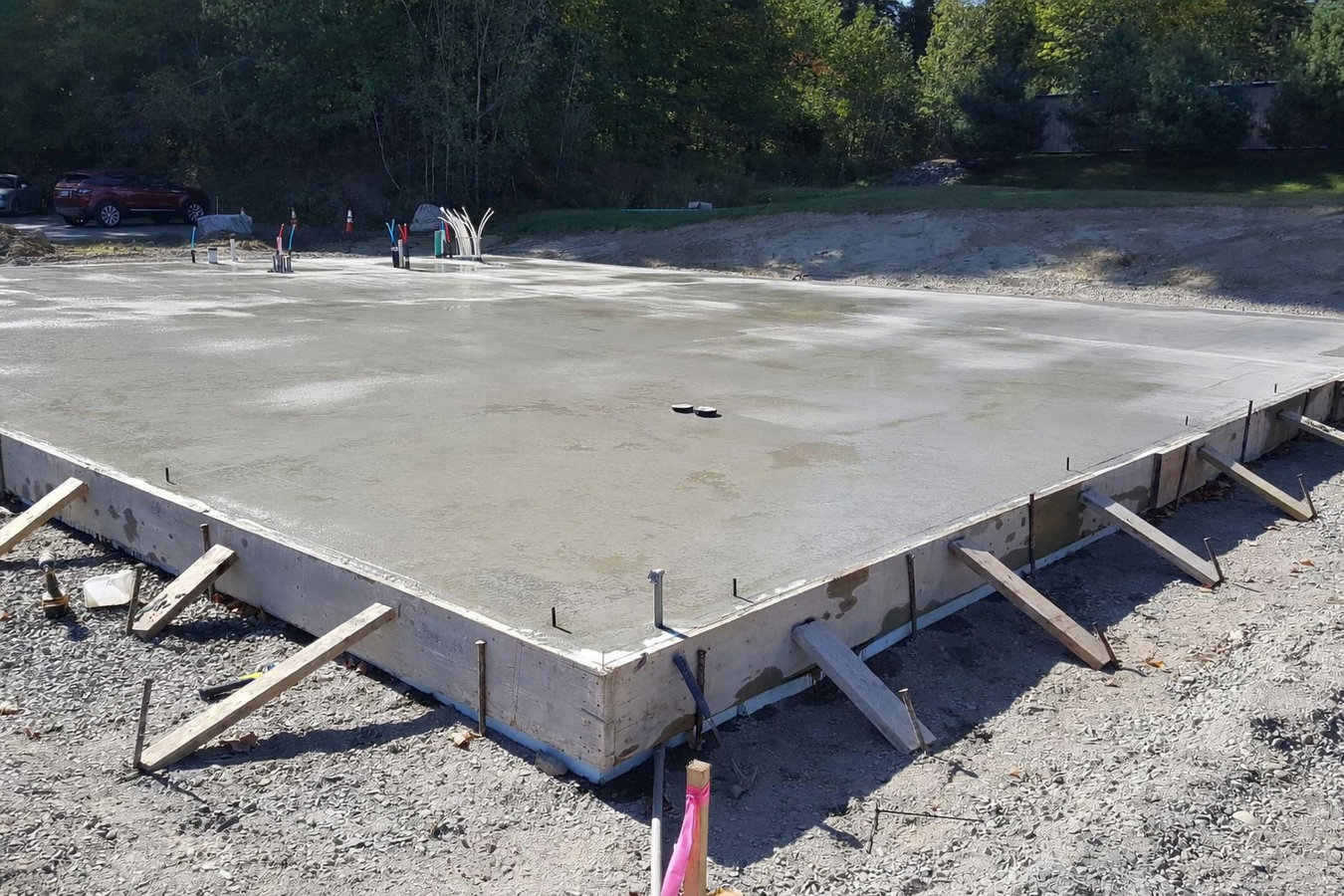
Glenview Concrete Company serves Arlington Heights, IL with slab foundations, driveways, sidewalks, and patios built for the village's postwar ranch homes, split-levels, and clay-heavy soil. We pull Village permits and have served the northwest suburbs since our founding.
Every job in Arlington Heights is approached with the village's housing stock in mind - postwar ranch homes, brick split-levels, large lots with mature trees, and clay soil that shifts through every season.
Arlington Heights has a large number of homes built in the 1950s through 1970s, many with additions, garages, and utility slabs that have reached the end of their useful life after decades of freeze-thaw stress. A properly built slab foundation here means correct base preparation in clay soil, steel reinforcement, and a moisture barrier that keeps ground vapor from working up through the concrete over time. Learn more about our slab foundation building service.
Most driveways on Arlington Heights' established streets were poured in the postwar decades and are now 50 to 70 years old. The combination of clay soil movement and decades of freeze-thaw cycles means original concrete driveways throughout the village are cracking, shifting, and spalling in ways that patching cannot fix. We replace failing driveways with properly based concrete graded away from the foundation and finished to hold up through northern Illinois winters.
Arlington Heights lots tend to be generous compared to denser suburbs, and many homeowners here have backyard space worth developing into a real outdoor living area. We design drainage into every patio so water runs away from the house rather than pooling against the foundation - a detail that matters especially when working in the clay soil that underlies most Arlington Heights properties.
Arlington Heights has an extensive park system and walkable neighborhoods where front walkways and public sidewalk sections get heavy use year-round. Mature trees with large root systems on many Arlington Heights lots are a frequent cause of heaved sidewalk panels. We replace damaged sections with properly based flatwork and can work around existing root systems to minimize impact on established landscaping.
Ranch homes and split-levels throughout Arlington Heights typically have attached two-car garages with original concrete floors from the 1950s through 1970s. Decades of road salt tracked in on tires, combined with the freeze-thaw cycle, leave these floors cracked, pitting, and draining poorly. A new garage floor pour gives you a level, properly sloped slab that handles moisture and temperature swings without heaving or pooling water against the wall.
Front and side entry steps on Arlington Heights homes from the postwar era have been through 50 or more winters of freeze-thaw damage. Spalling risers, settled stoops, and crumbling edges are common on houses throughout the village, and they create real safety hazards on icy mornings. We replace deteriorated steps with properly footered concrete construction that stays level and safe through the full range of Arlington Heights weather.
The bulk of Arlington Heights' housing stock was built between the late 1940s and the 1980s. Ranch homes, split-levels, and two-story colonials spread across dozens of established neighborhoods make up most of the village. Homes of this age commonly have original concrete driveways, sidewalks, stoops, and garage floors that have been through 50 to 70 winters of the same freeze-thaw cycle that affects all of northern Illinois. Arlington Heights averages around 35 inches of snow per year, and winter temperatures regularly drop well below 10 degrees Fahrenheit. The frost depth can reach 40 inches or more in a hard winter, which means the ground beneath every slab freezes deep and stays frozen for months.
The clay soil underlying most of Arlington Heights is a separate but related problem. Clay holds water rather than draining it, which means it expands when wet and shrinks when it dries. This movement is constant, working on every slab from below through wet springs, dry summers, and frozen winters. Large mature trees - common on the generous lots in established Arlington Heights neighborhoods - add root pressure that heaves sidewalk panels and pushes on driveway edges over time. Homeowners here with high owner-occupancy rates and real investment in their properties need concrete work done correctly the first time, not patched and repaired again the following spring.
Our crew works throughout Arlington Heights regularly, and we understand the local conditions that affect concrete work here. We pull permits through the Village of Arlington Heights Community Development Department and know what inspectors look for on driveway, slab, and flatwork jobs throughout the village. The ranch homes and split-levels that make up most of the residential neighborhoods here have specific layout patterns - attached garages set close to the property line, front stoops with a narrow landing, driveways that run alongside the house with tight clearance on both sides - and we plan equipment access and concrete staging around those realities before a job starts.
Arlington Heights is a well-connected northwest suburb. The Metra Union Pacific Northwest Line runs through downtown, which sits along Campbell and Vail avenues and draws residents from surrounding neighborhoods to its restaurants, shops, and the classic Metropolis Performing Arts Centre. Many neighborhoods are laid out on a grid that makes it straightforward to move equipment from job to job. Whether a property is near the redeveloping former Arlington Park site on the north end or in one of the quieter subdivisions near Route 53 on the west side, we serve homeowners all across the village.
We also serve homeowners in nearby Des Plaines and Schaumburg, both of which share similar housing stock and soil conditions with Arlington Heights.
Tell us what you need and roughly where in Arlington Heights you are. We respond within 1 business day and schedule a free on-site visit - no firm quote is given until we see the property, because soil conditions and site access vary throughout the village.
We measure the work area, check the base condition and drainage, and walk through the project scope with you. The written estimate covers demolition, materials, labor, permit fees, and haul-away so there are no line items that appear later. Cost questions are welcome at this stage - that is the right time to ask them.
We apply for the Village permit before work starts. Once approved - typically five to ten business days - the crew handles demolition, excavation, gravel base, forming, and steel placement. A village inspector visits before the pour to verify the prep work meets local code. You do not need to be home for this.
The pour happens in a single day for most residential jobs. The crew finishes the surface, cuts control joints, and cleans up the site. Plan to stay off the concrete for 24 hours and keep vehicles off a new driveway or slab for seven days. We go over the care instructions before we leave.
We serve homeowners throughout Arlington Heights, IL. Fill out the form below or call us directly - we respond within 1 business day.
(224) 529-2097Arlington Heights is a village in Cook County with roughly 77,000 residents, making it one of the largest suburbs in the Chicago metro area. It is largely a single-family residential community, with about 70 percent of housing units owner-occupied. The neighborhoods are established and well-maintained, with most homes sitting on lots of 8,000 to 12,000 square feet and tree canopy that has matured over decades. The housing stock skews toward the postwar suburban styles - ranch homes, split-levels, and two-story colonials - built mostly between the late 1940s and the 1980s. A newer ring of development from the 1990s and 2000s sits on the western and northern edges of the village near Route 53 and Palatine Road. The village has a strong school district in Township High School District 214, which draws families who put down long-term roots and invest in their properties.
The downtown area along Campbell and Vail streets is the community center of Arlington Heights - it has the Metra station, restaurants, local shops, and the historic Metropolis Performing Arts Centre. The Arlington Heights Park District runs more than 50 parks across the village, including Nickol Knoll with its golf course and year-round recreation facilities. On the north side of town, the former Arlington Park racetrack site is currently being redeveloped into a mixed-use destination. Neighboring Des Plaines sits just to the east, sharing a similar housing vintage and soil profile with Arlington Heights.
Get a durable, professionally installed concrete driveway that lasts for decades.
Learn MoreTransform your backyard with a beautiful, long-lasting concrete patio.
Learn MoreAdd elegant patterns and textures to any concrete surface with stamped finishes.
Learn MoreSafe, smooth concrete sidewalks installed to code for your home or business.
Learn MoreStrong, clean garage floor concrete that handles daily vehicle traffic with ease.
Learn MoreEnhance any space with custom decorative concrete finishes and designs.
Learn MoreSturdy concrete retaining walls that hold soil and protect your property.
Learn MoreLevel, smooth concrete floors installed for residential and commercial spaces.
Learn MoreSlip-resistant, attractive concrete pool decks built for outdoor living.
Learn MoreSafe, well-built concrete steps for entryways, stoops, and landscaping.
Learn MoreSolid slab foundations poured to support structures for years to come.
Learn MoreExpert foundation installation that provides a stable base for your building.
Learn MoreDurable concrete parking lots designed for heavy use and easy maintenance.
Learn MoreRestore and raise settling foundations to protect your home from further damage.
Learn MorePrecision concrete cutting for repairs, modifications, and new installations.
Learn MoreCall us or fill out the contact form - we serve homeowners throughout Arlington Heights, IL and respond within 1 business day.